Thursday, May 15, 2008

Planimetric Map


A Planimetric Map shows geographic features including roads, buildings and land masses without signifying relief. The view is vertically from above, with no height or depth to the terrain. The accompanying example is of Lubbock, TX.

Thematic Map


A Thematic Map focusses on specific data to communicate information. Themes can be distributions like those of wealth, disease, weather and population. The example presented above shows areas of South Florida most significantly affected by Water Shortage Rules in 2007. The information in Thematic Maps may be related to a specific time or period, as in this example.

Wednesday, May 14, 2008

Topographic Map


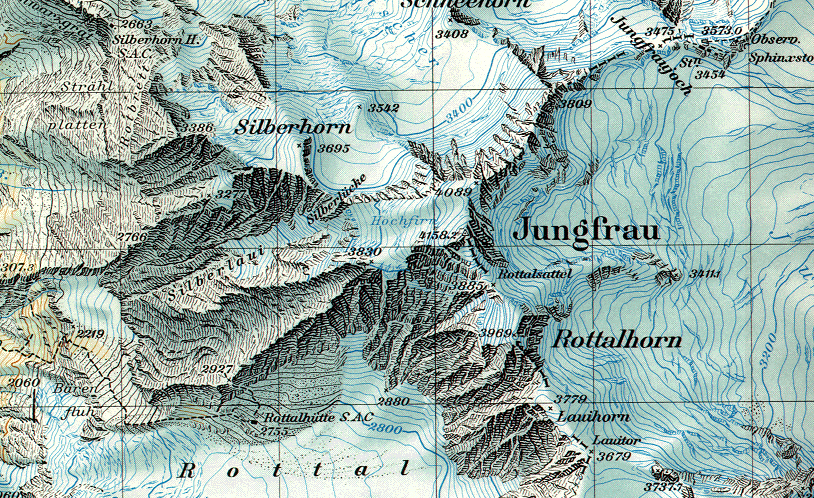
A Topographic Map represents the physical characteristics of an area, including height and depth, through use of conventional shading to represent relief, or more accurately through the use of lines representing specific distances depending on their spacing. More closely spaced lines mean a steeper gradient, while widely spaced lines shown a flatter geographical area. The accompanying example of a topographical map of a section of the Swiss Alps, combines both contour lines and symbolic shading.

Tuesday, May 13, 2008

Mental Map 2


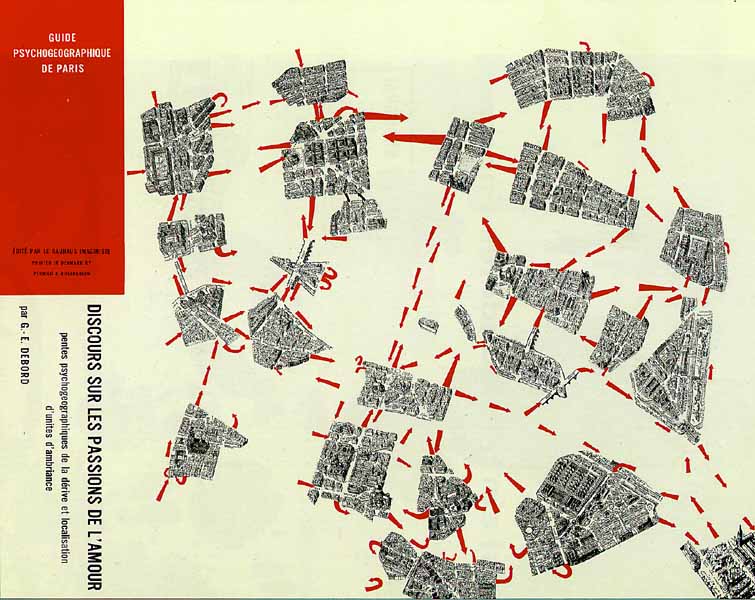
Guy Debord's famous Psychogeographical map of Paris is another Mental Map, in that it idenfies areas of the city that are felt to be cohesive, and indicates how one moves from one to the other.

Mental Map


This cover Illustration from the New Yorker magazine is a humorous example of a Mental Map. Mental Maps are maps that individuals create in their minds, and sometimes commit to paper, that represents their understanding and perception of a specific geographical area. Those areas that are most familiar, such as the neighborhood they live in, will be more detailed than other areas less frequented. In Saul Steinberg's Mental Map, the local geography heading west is very detailed until the Hudson River is crossed. At that point the geography, and scale is rather less accurate.